AgriBridge Malaysia Logo AgriBridge Malaysia Contact Us
Menu
Contact Us

Rubber Production Trends and Industry Evolution

Malaysia’s rubber sector has undergone remarkable transformation. We’ll explore how production has shifted, where challenges lie, and why the industry’s future depends on innovation and value addition.

10 min read Beginner March 2026
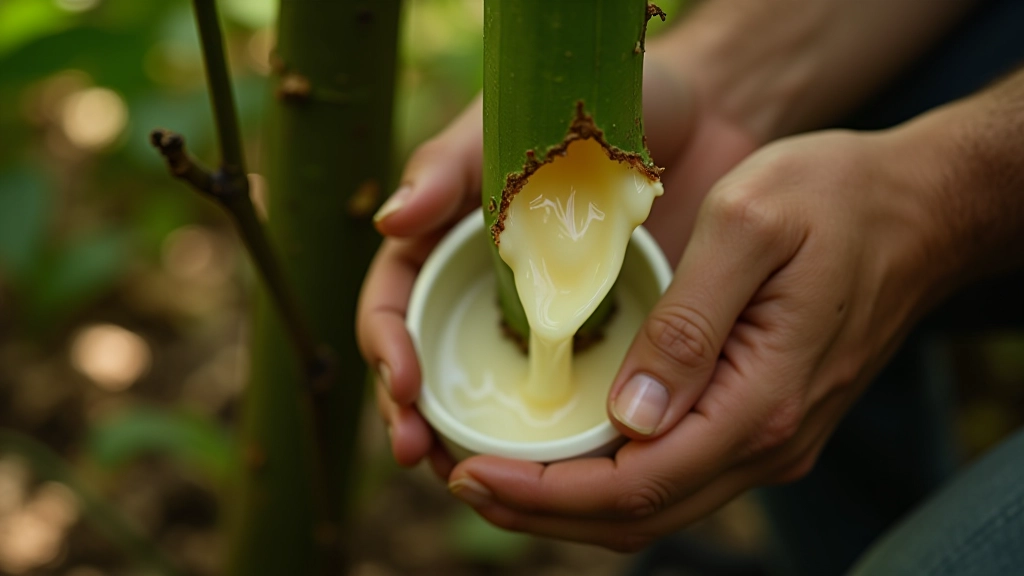
Close-up of rubber tree bark with white latex sap collection cup showing traditional tapping method used in Malaysian plantations

A Sector in Transition

Malaysia’s rubber industry isn’t what it was 30 years ago. That’s not a bad thing — it’s actually a sign of maturity and adaptation. The country that once dominated global rubber supply still plays a crucial role, but the story’s gotten more complex.

Production volumes have shifted. Competition from synthetic alternatives changed the game. And newer players emerged with lower labor costs. But here’s what’s interesting: Malaysia didn’t fade away. Instead, the industry evolved toward quality, specialty products, and sustainability. We’re talking natural rubber latex for medical applications, high-performance compounds for automotive, and eco-certified products for conscious buyers.

Understanding these trends matters if you’re tracking commodity markets, studying agricultural economics, or just curious about how traditional industries stay relevant. The rubber story reveals how global trade really works.

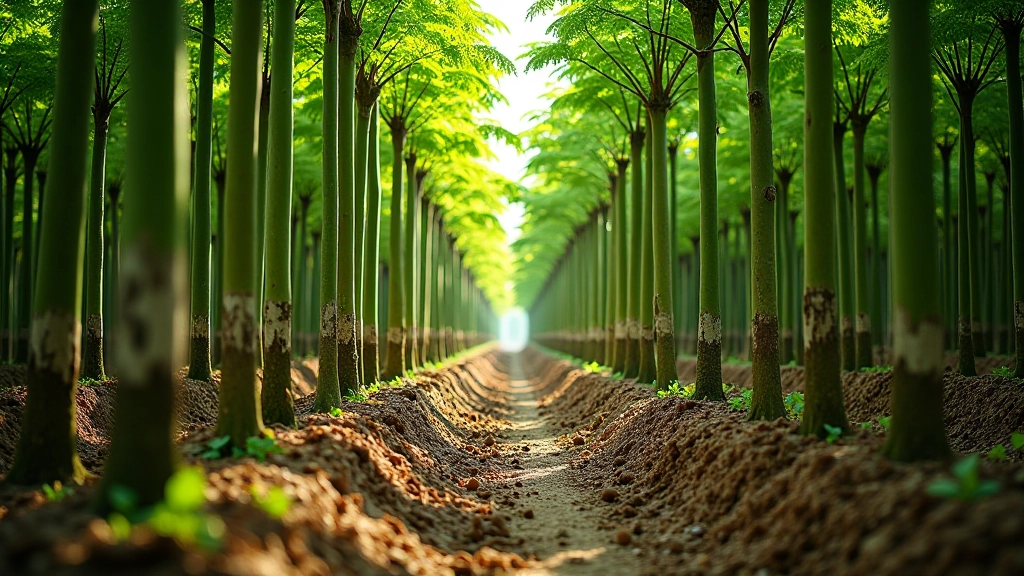
Wide shot of mature rubber plantation with rows of trees tapped for latex collection, green foliage under tropical sunlight

How Production Changed Over Time

In the 1980s and 1990s, Malaysia was the world’s rubber powerhouse. The country produced over 2.7 million metric tons annually at its peak. Rubber plantations covered vast areas — from Johor to Pahang, from Perak to Kedah. It wasn’t just volume; it was dominance. Malaysia controlled roughly 40% of global natural rubber supply.

But production has declined. Today, Malaysia produces around 600,000 to 700,000 metric tons per year. That’s roughly a 75% drop from peak levels. Sounds dramatic, right? Here’s why it happened: land use changed. Agricultural land got converted for palm oil (which became more profitable), urban development, and industrial zones. Labor became harder to find — younger generations moved to cities for different work. And rubber trees need replanting every 25-30 years, which requires significant investment.

Thailand stepped into the gap and now produces more rubber than Malaysia. Indonesia also ramped up production. Vietnam’s emerging as a producer too. But Malaysia’s still the third-largest producer globally, and more importantly, the industry shifted focus toward quality over quantity.
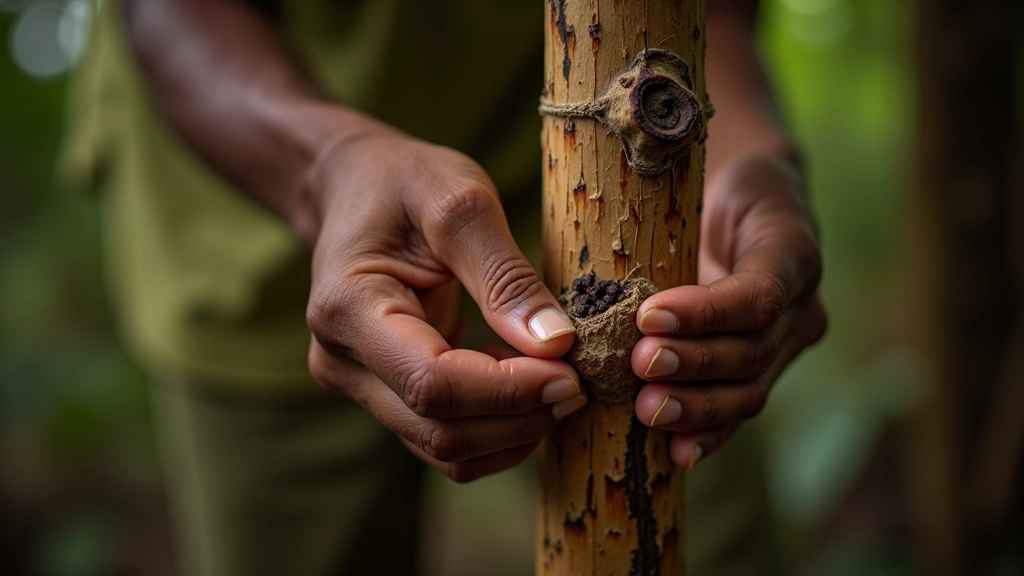
Hands of experienced rubber tapper showing traditional tapping technique on tree bark, demonstrating skilled precision required for latex collection
Modern rubber processing facility interior with industrial equipment for latex coagulation and sheet production, stainless steel machinery

Today’s Market Reality

The global natural rubber market is worth roughly $40-45 billion annually. That’s substantial, but it’s competitive. Prices fluctuate based on demand from tire manufacturers (they account for about 70% of consumption), automotive suppliers, and industrial users.

Malaysia’s current advantage isn’t volume — it’s specialization. The country produces high-grade rubber used in medical gloves, healthcare products, and specialized compounds. Dunlop, Michelin, and other premium tire makers source Malaysian rubber specifically. It’s not cheaper, but it’s better. And “better” commands premium pricing.

Domestic consumption also matters. Malaysian rubber processors and manufacturers create finished products — everything from rubber tubing to industrial seals. These value-added products generate more profit per ton than raw material exports.

The Real Challenges Facing the Industry

It’s not all smooth sailing. The rubber industry faces genuine headwinds that don’t disappear overnight.

Labor Shortage

Rubber tapping is physically demanding work. It requires early mornings, manual skill, and outdoor exposure. Fewer Malaysians want this work anymore. The industry relies increasingly on migrant workers, which complicates operations and raises compliance issues.

Climate Variability

Excessive rain reduces latex yield. Drought stresses trees. Climate change means more unpredictable weather patterns. Plantations in flood-prone areas face production losses some years.

Price Volatility

Rubber prices swing based on oil prices (synthetic rubber is petroleum-based), currency fluctuations, and demand shocks. Farmers can’t control global markets, but they bear the financial impact.

Tree Age

Many Malaysian rubber plantations are aging. Replanting requires capital investment and years before trees become productive. Some smallholders can’t afford to replant, so their land becomes less productive over time.

Aerial view of rubber plantation showing mix of mature productive trees and cleared areas prepared for replanting or land conversion

Where’s the Industry Headed?

The future isn’t about returning to peak production volumes. That ship sailed. Instead, it’s about three key directions.

1. Specialty Products

High-performance rubber for electric vehicle tires, medical-grade latex, and sustainable compounds are growth areas. These products command 2-3x the price of commodity rubber. Malaysia’s investing in R&D to develop and market these specialties.

2. Sustainability Certification

Global brands want certified sustainable rubber. Environmental responsibility and fair labor practices aren’t nice-to-haves anymore — they’re requirements. Malaysian producers achieving certification gain market access to premium buyers willing to pay more.

3. Technology and Efficiency

Automation in processing, improved clones that yield more latex per tree, and better disease management reduce costs and improve quality. Investment in these areas helps offset labor shortages.

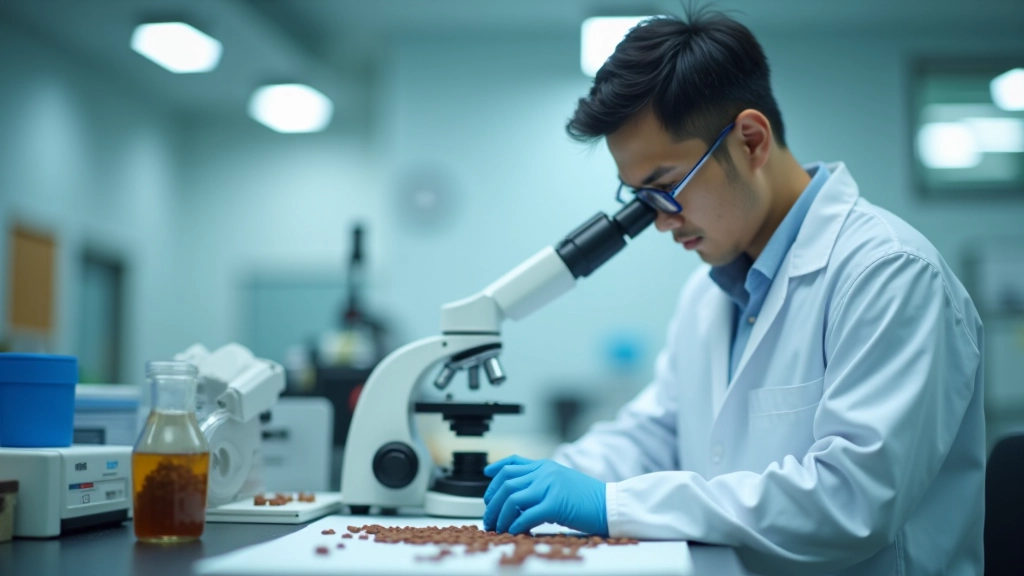
Research laboratory technician examining rubber samples under microscope with specialized testing equipment for quality analysis and product development

Key Takeaways

Malaysia’s rubber industry isn’t in decline — it’s in transition. Production volumes have dropped significantly, but that reflects conscious choices about land use and market positioning. The industry’s smaller now, but it’s more profitable per unit and increasingly focused on quality and sustainability.

Understanding these trends matters for anyone tracking agricultural commodities, studying economic resilience, or interested in how traditional industries adapt. The rubber story shows that survival in global markets isn’t about staying the biggest — it’s about staying relevant.

Continue Learning

Explore related articles on Malaysia’s agricultural sector and commodity markets to deepen your understanding of regional economics.

Back to Category

Information Disclaimer

This article provides educational information about rubber production trends and industry evolution in Malaysia. The data, statistics, and market information presented are based on available sources and general industry knowledge. Circumstances vary by region, producer, and time period. For specific investment decisions, market analysis, or business planning, consult industry experts, commodity traders, or agricultural economists. We don’t provide investment advice or financial guidance.