
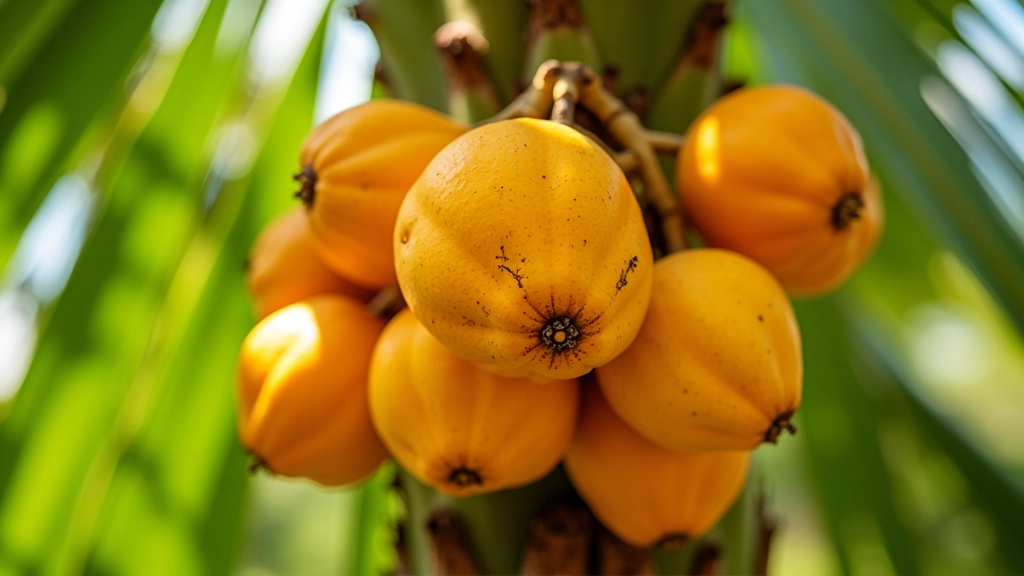
Palm Oil Industry Output and Global Market Position
Malaysia produces nearly 40% of the world’s palm oil. Learn how production volumes have evolved, key producing regions, and the industry’s economic contribution to GDP.
Read MoreUnderstanding palm oil production, rubber trends, food security initiatives, and how agriculture shapes Malaysia’s national economy
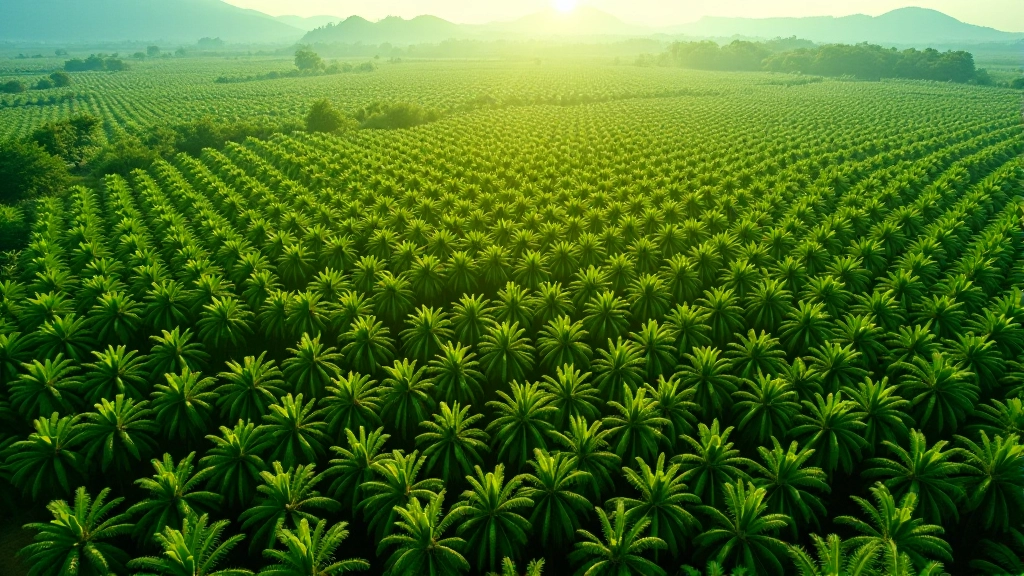
Explore in-depth guides on Malaysia’s agricultural landscape, commodity production, and economic impact
Malaysia produces nearly 40% of the world’s palm oil. Learn how production volumes have evolved, key producing regions, and the industry’s economic contribution to GDP.
Read More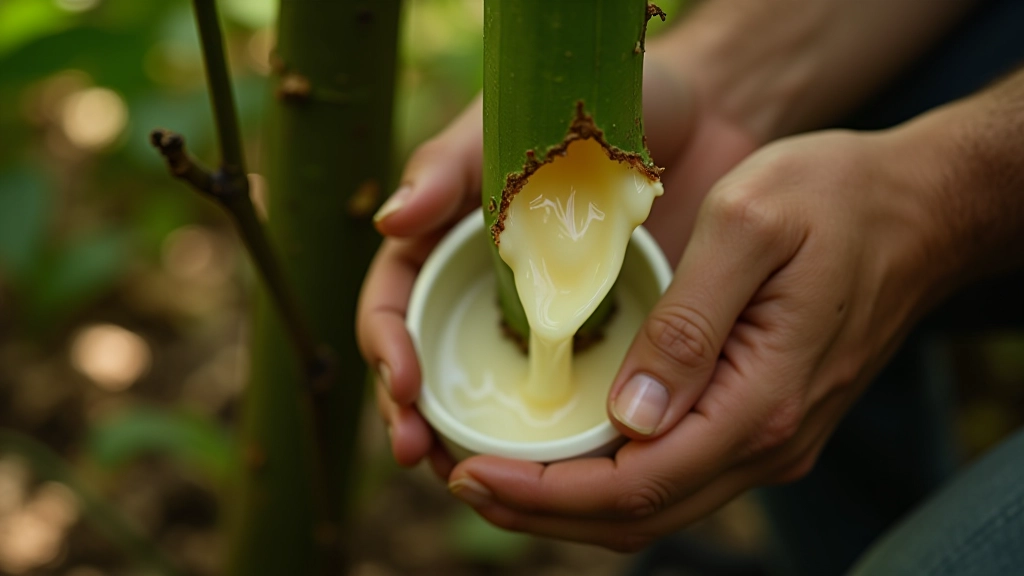
Discover how Malaysia’s rubber sector has adapted over decades. We cover production statistics, market challenges, and the shift toward value-added rubber products.
Read More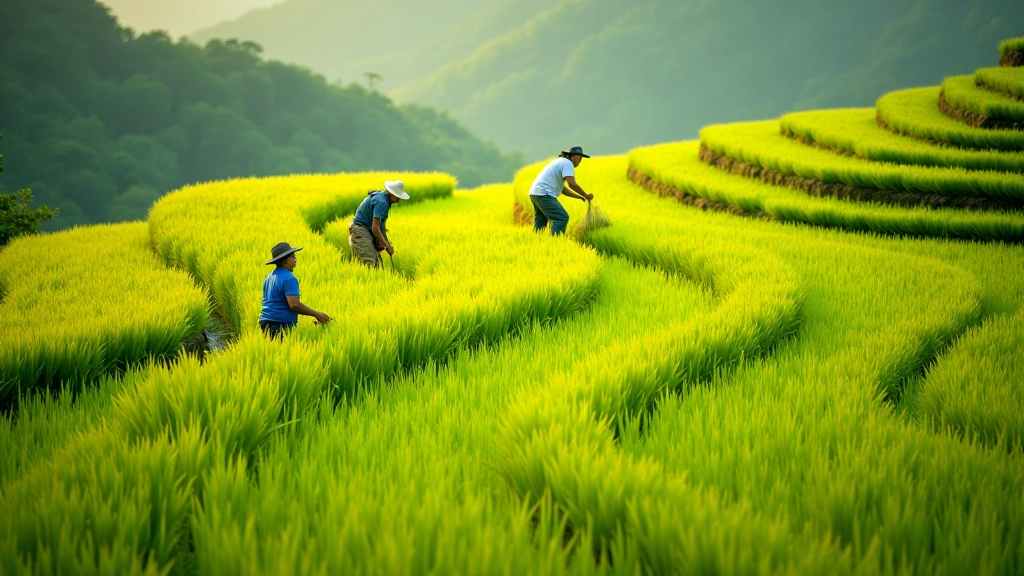
Malaysia prioritizes food security through various initiatives. Explore government programs, local food production targets, and strategies to reduce import dependency.
Read More
The agricultural sector contributes significantly to Malaysia’s economy. This guide examines GDP contributions, employment figures, and the role of agribusiness in national development.
Read MoreGlobal palm oil production from Malaysia
Hectares of cultivated agricultural land
Agriculture sector contribution to national GDP
People employed in agricultural sector
A comprehensive look at the sector’s structure and significance
Malaysia’s agricultural sector represents a vital component of the national economy. The country’s tropical climate and geographical advantages have made it a global leader in commodity production. From palm oil plantations spanning hundreds of thousands of hectares to traditional rubber estates and modern food production facilities, agriculture here isn’t just about farming — it’s about economic stability and global trade.
The sector employs over a million people directly and supports countless more through supply chains, processing facilities, and export operations. Palm oil remains the most significant commodity, but the agricultural economy encompasses much more. Rice production feeds the domestic population. Cocoa, coconut, and tropical fruits contribute to export revenues. Livestock and fisheries add another dimension. Recent years’ve seen growing emphasis on sustainable practices and technology adoption to improve productivity while addressing environmental concerns.
Food security remains a strategic priority for Malaysia. With a population exceeding 34 million and urbanization changing traditional farming patterns, the government actively supports local agricultural development. This includes subsidies for rice farming, programs to encourage young farmers, and investments in modern agricultural technology. The challenge lies in balancing commercial export production with domestic food sufficiency, all while maintaining environmental sustainability and adapting to climate variability.