
Agribusiness Contribution to National GDP and Economic Growth
Malaysia’s agricultural sector is a cornerstone of economic development. We’re exploring how agribusiness drives national growth, employment, and food security across multiple industries.
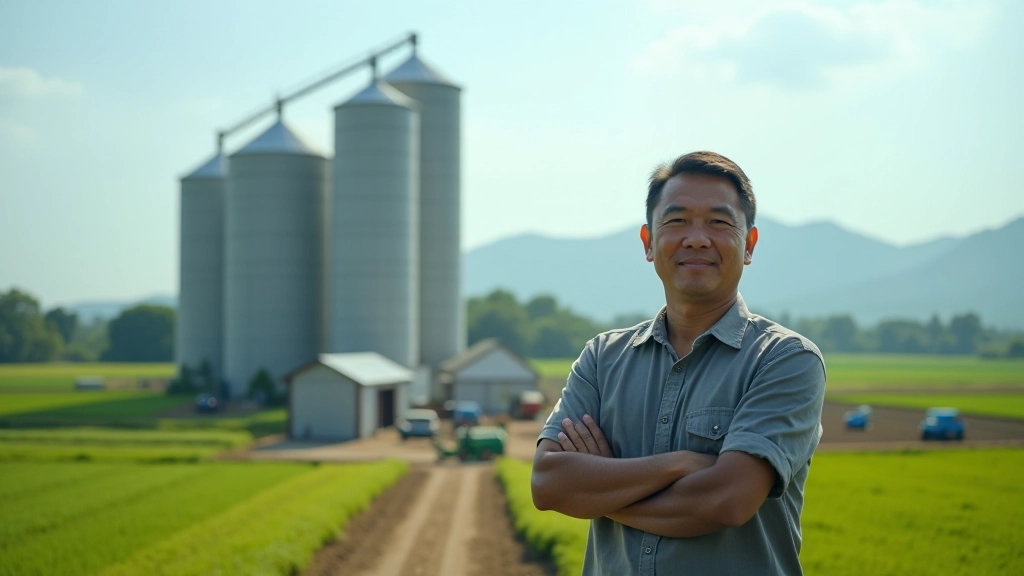
Understanding Malaysia’s Agricultural Backbone
The agricultural sector isn’t just about farming — it’s a complex ecosystem of production, processing, trade, and services. In Malaysia, agribusiness contributes substantially to the national economy, supporting millions of people across rural and urban areas.
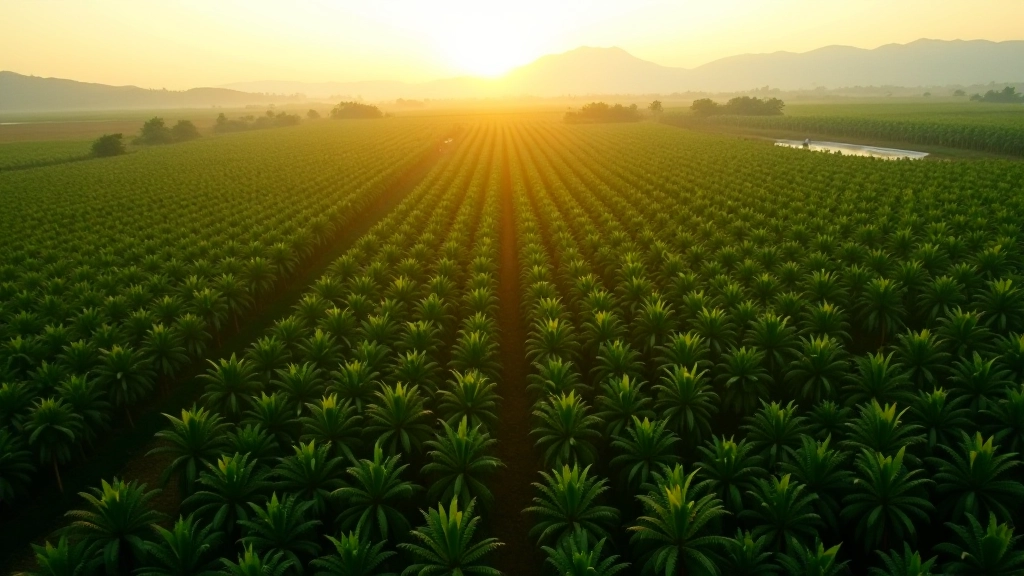
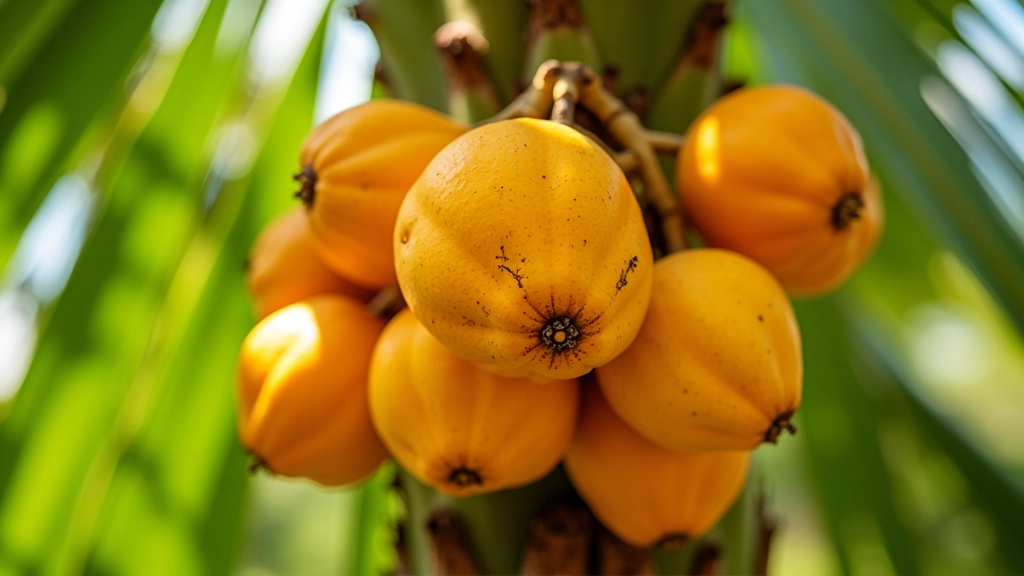
We’re talking about palm oil plantations covering vast territories, rubber smallholdings passed down through generations, and modern aquaculture operations. These aren’t isolated activities. They’re interconnected industries that fuel economic growth, create employment, and strengthen food security. Understanding these contributions helps us see why agricultural investment matters for the nation’s future.
Economic Contributions Across Multiple Sectors
Malaysia’s agribusiness landscape is remarkably diverse. The sector generates revenue not just from primary production, but from downstream activities. Processing facilities, export operations, logistics networks, and agricultural technology companies all depend on robust farming foundations.
The palm oil industry alone contributes roughly 2-3% to Malaysia’s total GDP. When you factor in rubber, cocoa, rice, and other crops, plus all the supporting industries, the number grows significantly. And that doesn’t include fisheries and livestock, which add another substantial layer to agricultural economic contribution.
Employment figures tell another story. We’re not just counting plantation workers — we’re looking at factory operators, logistics professionals, quality control specialists, and research scientists. The agricultural value chain employs skilled and semi-skilled workers across rural and urban settings.
Key Point: Agribusiness generates export revenues that strengthen Malaysia’s foreign exchange position, making the sector critical for national financial stability.
Rubber and Traditional Commodities
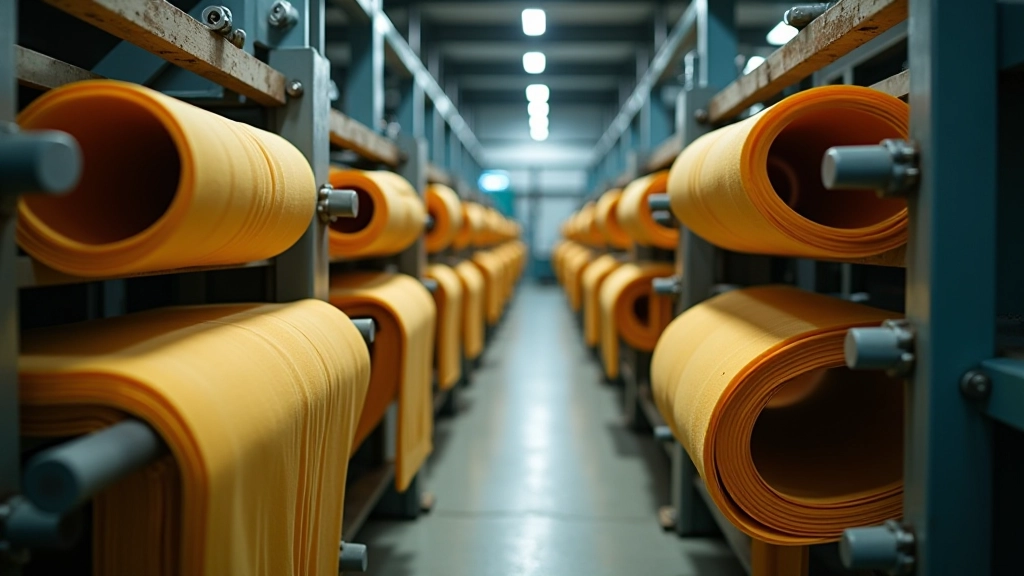
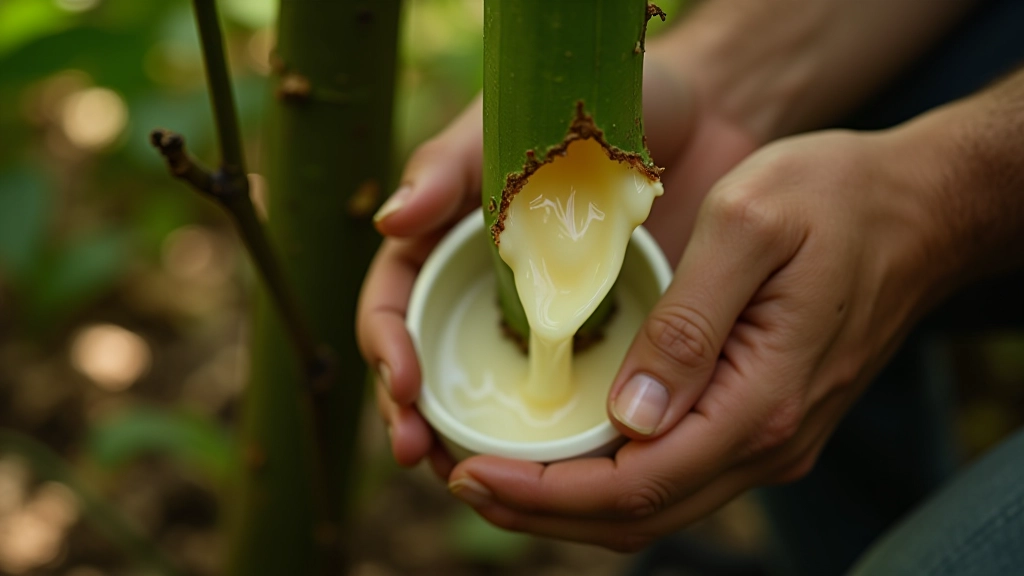
While palm oil dominates headlines, rubber production remains economically significant. Malaysia produces roughly 8-10% of global rubber supply, with both natural rubber from traditional smallholdings and synthetic rubber from chemical facilities.
The rubber industry’s strength lies in its adaptability. Production has evolved from small-scale tapping operations to modern plantations using latex concentrate technology and automated processing. This modernization increased productivity while maintaining traditional smallholder livelihoods.
Cocoa production, though smaller than palm or rubber, contributes meaningful revenue. Malaysian cocoa is exported as raw beans and processed into higher-value chocolate and confectionery products. This value-addition approach generates more employment and higher profit margins than raw commodity export alone.
Food Security and Domestic Production
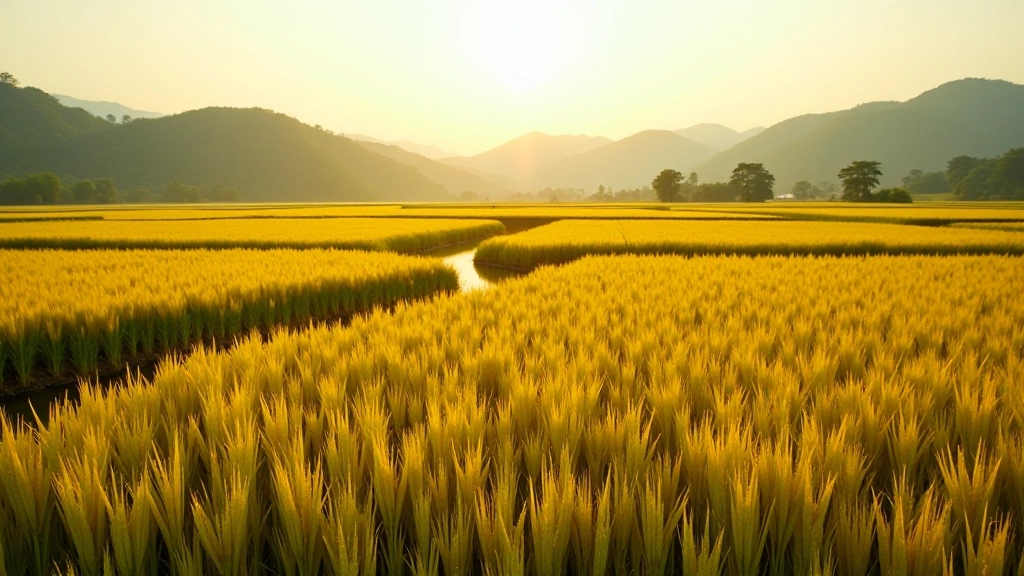
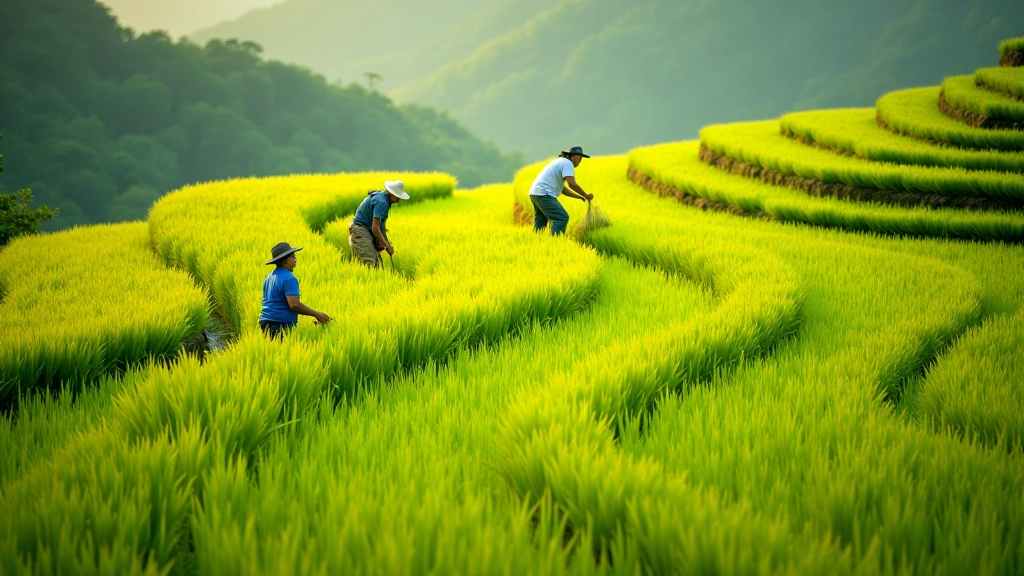
Beyond export crops, Malaysia prioritizes food security through domestic agricultural initiatives. Rice production, vegetable farming, poultry raising, and aquaculture operations ensure the nation can feed its population while reducing import dependency.
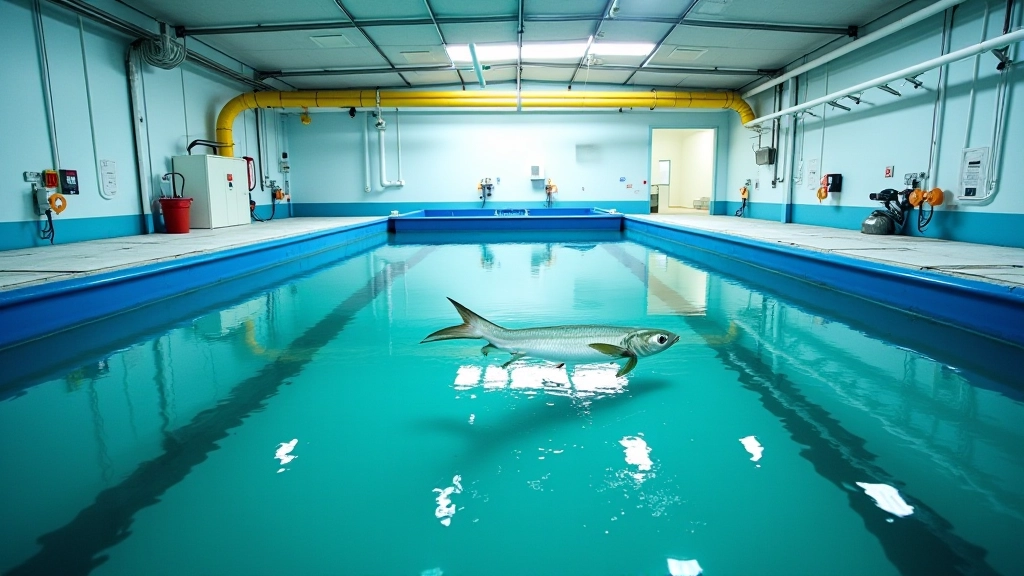
The government’s approach combines several strategies. Modern irrigation systems boost rice yields. Fish farming in ponds and coastal areas supplies protein efficiently. Livestock operations provide meat and dairy products. These aren’t glamorous commodities, but they’re absolutely essential for national food security and rural incomes.
What’s interesting is how domestic food production supports rural communities directly. When farmers sell to local markets and processors, money circulates within local economies. This creates a multiplier effect — spending at shops, schools, and services strengthens entire rural regions.
- Rice production across major growing regions
- Aquaculture development in coastal zones
- Integrated livestock and crop systems
- Organic and high-value vegetable farming
- Fisheries management and sustainability programs
Employment and Rural Development Impact
The most significant contribution agribusiness makes to national development is employment generation. Over 3 million Malaysians work directly in agricultural production, with millions more in downstream industries.
What’s changed dramatically is the skill level required. Modern agricultural operations need technicians, equipment operators, quality inspectors, and logistics coordinators. These aren’t just farm labor jobs anymore — they’re technical positions paying reasonable wages.
Rural development follows agricultural investment. When new plantations open or processing facilities expand, infrastructure improves. Roads get better. Schools and healthcare facilities develop. Housing improves. Communities become more prosperous. This ripple effect transforms rural Malaysia into viable places for people to live and build futures.
Challenges and Future Opportunities
Climate Variability
Changing weather patterns affect crop yields. We’re seeing drought in some regions, flooding in others. Adaptation requires investment in irrigation, drought-resistant varieties, and sustainable water management.
Labor Availability
Younger generations migrate to cities for urban employment. Finding skilled agricultural workers becomes increasingly difficult. Mechanization and improved working conditions help attract talent.
Sustainability Demands
Global markets increasingly demand sustainable practices. Certifications, environmental compliance, and ethical sourcing aren’t optional — they’re market requirements. Investment in sustainable methods pays dividends.
Technology Integration
Precision farming, data analytics, and automation improve efficiency. Adopting these technologies requires capital investment and training. Benefits include higher yields and better resource management.
Growth Opportunities Ahead
Despite challenges, agribusiness presents significant opportunities. Value-addition through processing, organic certification for premium markets, agricultural technology development, and sustainable farming practices all offer pathways to increased profitability and employment growth.
Agribusiness: Essential for National Progress
Malaysia’s agribusiness sector isn’t a relic of the past — it’s a dynamic, evolving industry that drives present and future economic growth. From palm oil exports to domestic rice production, from rubber manufacturing to aquaculture development, agriculture touches nearly every aspect of national development.
The sector contributes roughly 9-10% to GDP directly, with indirect contributions through related industries adding substantially more. Employment spans millions of people across skill levels. Food security depends on continued agricultural investment. Export revenues strengthen the nation’s financial position.
What we’re witnessing is transformation. Traditional farming methods are blending with modern technology. Smallholders are gaining access to better information and markets. Processing industries are creating higher-value products. The agricultural workforce is becoming more skilled and professional.
“Agribusiness remains central to Malaysia’s economic strategy, providing not just commodities but livelihoods, food security, and sustainable development pathways for rural communities.”
The future of Malaysian agribusiness depends on continued investment in sustainable practices, technology adoption, climate adaptation, and human capital development. Done well, agricultural growth can be both economically productive and environmentally responsible.
Explore Related Topics
Disclaimer
This article provides informational content about Malaysia’s agribusiness sector and its economic contributions. The data, statistics, and analysis presented reflect general industry trends and government reports current as of March 2026. Specific figures may vary depending on source and methodology. This content is intended for educational purposes and general awareness. It’s not intended as investment advice, economic forecasting, or policy recommendations. Agricultural economics is complex and influenced by numerous variables including weather, global markets, policy changes, and technological development. For specific decisions regarding agricultural investment or business planning, consult with qualified professionals in agricultural economics, business planning, or related fields.