
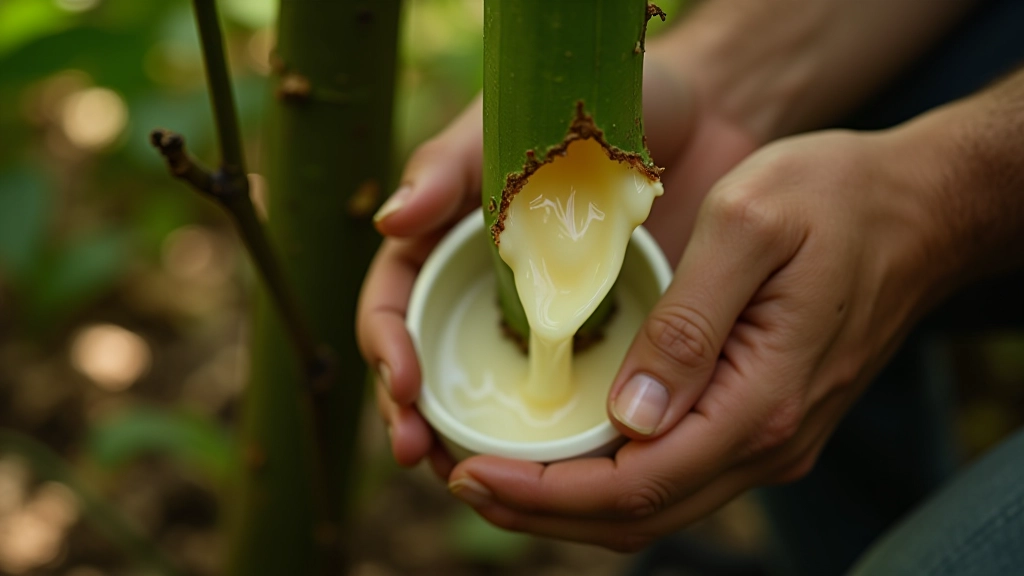
Rubber Production Trends and Industry Evolution
Discover how Malaysia’s rubber sector has adapted over decades. We cover production techniques, market dynamics, and the industry’s ongoing transformation.
Read MoreMalaysia produces nearly 40% of the world’s palm oil. Explore production volumes, key regions, and the industry’s critical role in national economics.
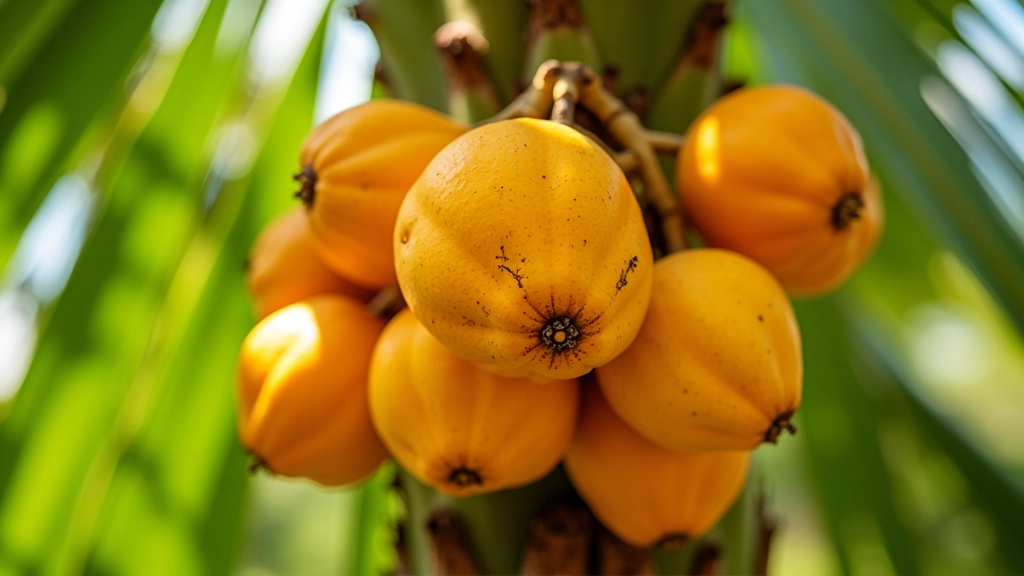
Palm oil isn’t just another agricultural commodity. It’s woven into the fabric of global trade, food production, and industrial manufacturing. Malaysia’s role in this story is massive — and it’s worth understanding how.
The industry employs hundreds of thousands of people across the country. From plantation workers to logistics coordinators to processing facility managers, there’s an entire ecosystem built around this crop. But what makes Malaysia’s position so significant? Production capacity, geographic advantage, and decades of developed expertise.
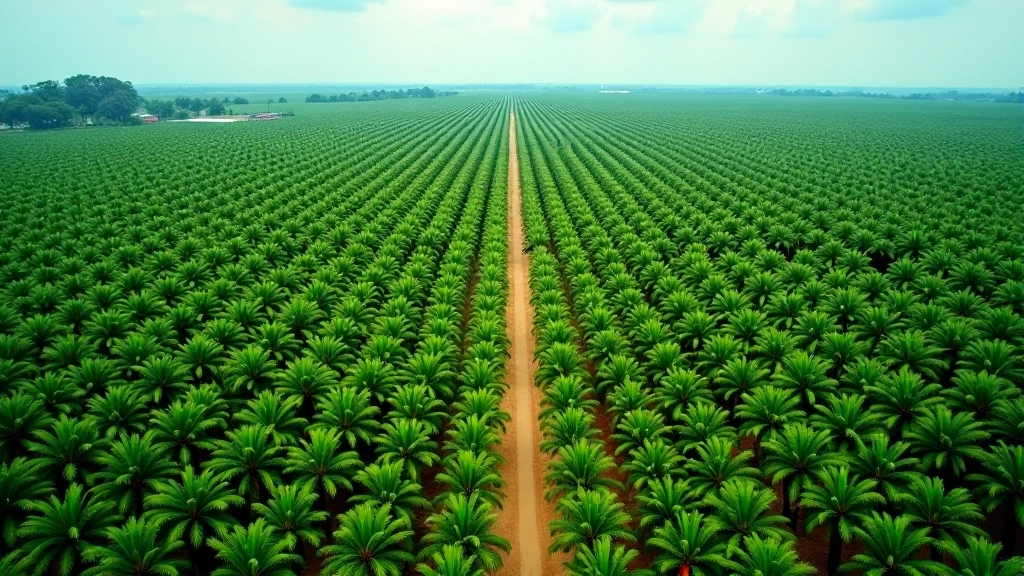
Malaysia produces approximately 18 to 19 million tonnes of crude palm oil annually. That’s roughly 38-40% of global production. To put that in perspective, Indonesia’s another major producer, but Malaysia’s infrastructure and processing capabilities remain among the most advanced in the world.
The numbers have shifted over time. In the 1990s, Malaysia dominated with nearly 70% of global output. Today’s percentage reflects Indonesia’s expanded cultivation, but Malaysia’s quality standards and technical expertise haven’t diminished. We’re talking about a mature, sophisticated industry that’s adapted to market pressures.

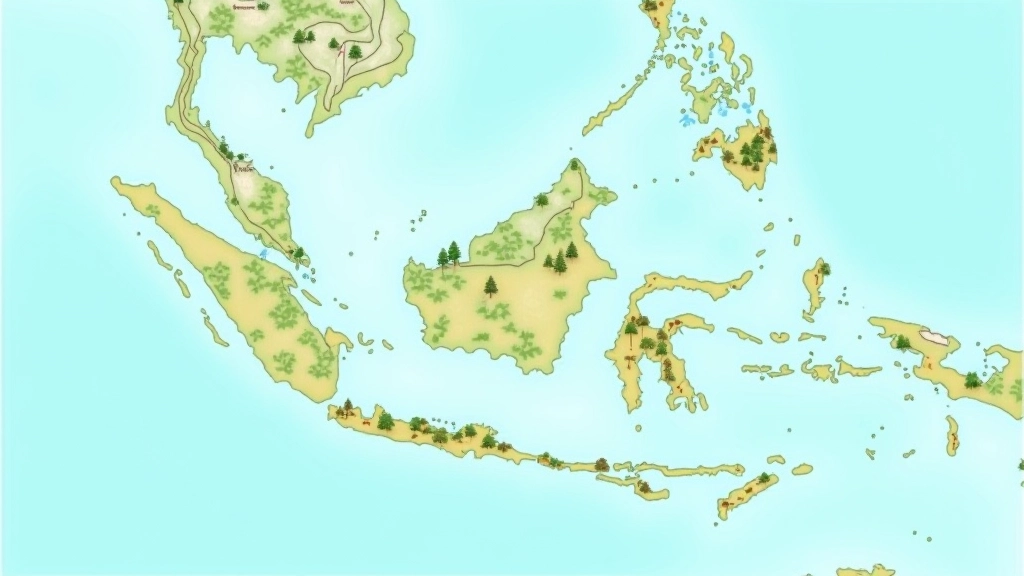
You won’t find palm oil plantations spread evenly across Malaysia. The geography matters. Sarawak, located on Borneo island, is the largest producing state. It accounts for roughly 35% of national output. Sabah follows closely, contributing around 25-30%. Peninsular Malaysia, despite being more densely populated, still produces significant volumes.
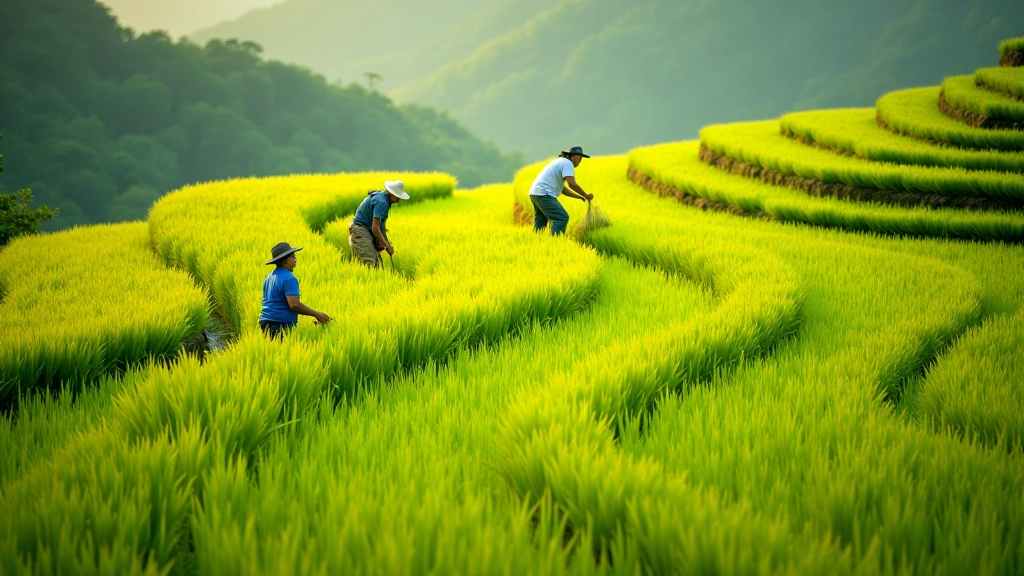
Climate is everything here. Palm oil trees thrive in equatorial conditions — consistent warmth, reliable rainfall, rich soil. Malaysia’s position on the equator gives it natural advantages. The trees need 5-6 years to reach maturity and start producing fruit bunches. Once established, a mature plantation can operate productively for 25-30 years with proper management.
Infrastructure development follows production zones. Ports in Sabah and Sarawak have been upgraded to handle export volumes. Processing mills cluster near plantations to minimize transportation costs. This geographic specialization reflects decades of optimization.
The palm oil industry contributes approximately 3-4% of Malaysia’s total GDP. That doesn’t sound massive until you consider what it means for employment, foreign exchange earnings, and related industries. Export revenue from palm oil and derivatives typically ranges from $8-12 billion annually, depending on commodity prices and global demand.
But the real story isn’t just in the crude oil production. Downstream processing — making margarine, cooking oils, cosmetic ingredients, biofuel — adds significant value. Malaysia’s refining and processing sectors employ tens of thousands of workers. When you count the entire value chain, you’re looking at one of the country’s most important economic engines.
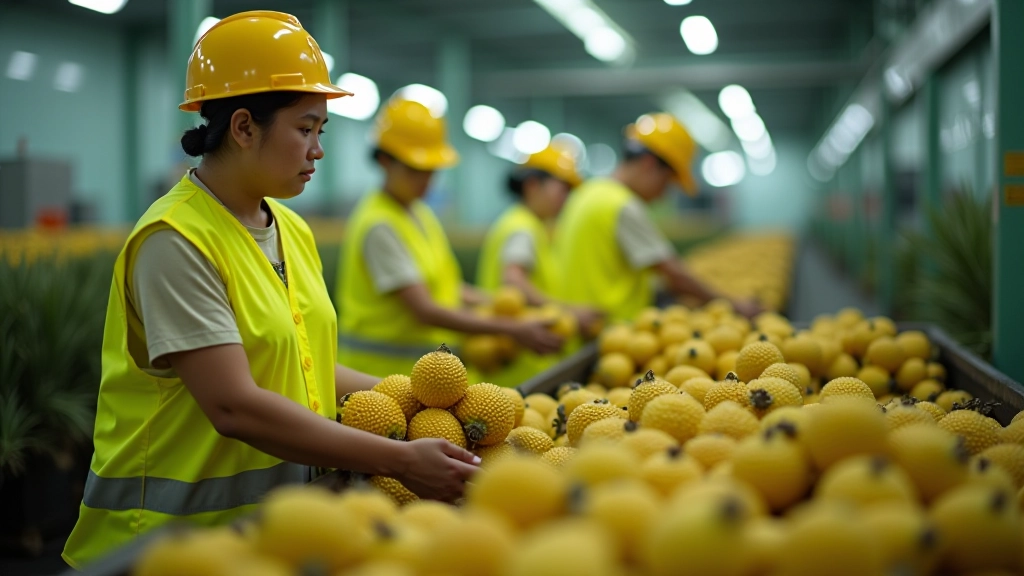
Employment runs deep. Direct plantation work, processing facility jobs, logistics, quality control, research and development — it’s a multi-layered industry. The average palm oil plantation in Malaysia operates with both permanent staff and seasonal workers, creating year-round economic activity in rural regions where alternative employment options can be limited.
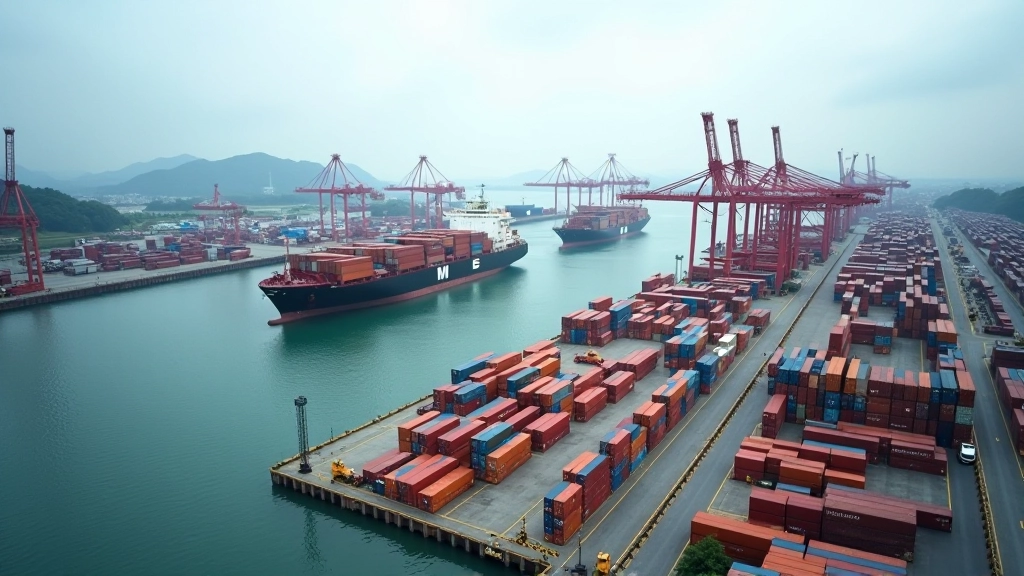
Malaysia’s palm oil doesn’t stay local. About 75-80% of production gets exported. The major destinations? India, China, and the European Union lead the list. India alone imports roughly 25% of Malaysia’s palm oil exports — used in cooking oils, margarine, and industrial applications. China’s demand keeps growing as food production and manufacturing sectors expand.
Europe’s a more complicated market. Regulations around sustainability and environmental concerns have shaped demand patterns. Some EU countries have moved toward stricter sourcing requirements. But despite regulatory pressures, European imports of Malaysian palm oil remain substantial because refiners and manufacturers value the supply reliability and quality consistency Malaysia offers.
Pricing fluctuates with global commodity markets. When crude oil prices drop, palm oil often follows — it’s used in biofuel production, so energy prices influence demand. When food prices surge, cooking oil demand increases. Malaysia’s producers have learned to navigate these market dynamics, investing in processing capabilities that allow them to create value-added products when commodity prices soften.
Malaysia’s palm oil industry isn’t static. It’s adapting to sustainability demands, investing in more efficient processing technologies, and exploring higher-value products. Production efficiency improvements mean mills can extract more oil from the same quantity of fruit bunches. Certification programs for sustainable sourcing are becoming standard practice rather than exceptions.
The industry’s future depends on balancing economic output with environmental responsibility. That’s a genuine challenge. Land use concerns, conservation efforts, and global pressure for sustainable practices shape strategic decisions. Yet Malaysia remains committed to maintaining its position as a reliable, quality supplier to global markets.
Explore how Malaysia’s agricultural sector contributes to national development and food security initiatives.
This article provides informational and educational content about Malaysia’s palm oil industry, production volumes, and economic contribution. The data and statistics presented are based on industry reports and government publications available as of March 2026. Market conditions, production volumes, and economic figures change over time and vary depending on measurement methodologies.
This content is intended to increase understanding of the agricultural sector and is not intended as investment advice, financial guidance, or professional consultation. Readers seeking specific information for business decisions should consult with industry experts, government agricultural departments, or professional advisors familiar with current market conditions.
Environmental and sustainability considerations around palm oil production are complex and subject to ongoing debate. This article aims to present factual information about the industry while acknowledging these important discussions continue within policy, environmental, and business communities.