How Production Changed Over Time
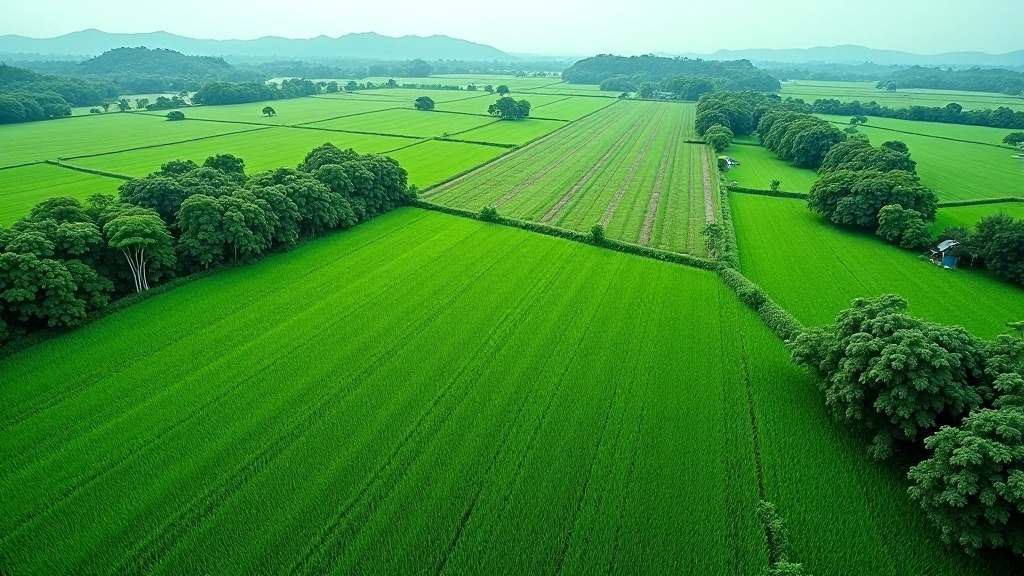
In the 1980s and 1990s, Malaysia was the world’s rubber powerhouse. The country produced over 2.7 million metric tons annually at its peak. Rubber plantations covered vast areas — from Johor to Pahang, from Perak to Kedah. It wasn’t just volume; it was dominance. Malaysia controlled roughly 40% of global natural rubber supply.
But production has declined. Today, Malaysia produces around 600,000 to 700,000 metric tons per year. That’s roughly a 75% drop from peak levels. Sounds dramatic, right? Here’s why it happened: land use changed. Agricultural land got converted for palm oil (which became more profitable), urban development, and industrial zones. Labor became harder to find — younger generations moved to cities for different work. And rubber trees need replanting every 25-30 years, which requires significant investment.
Thailand stepped into the gap and now produces more rubber than Malaysia. Indonesia also ramped up production. Vietnam’s emerging as a producer too. But Malaysia’s still the third-largest producer globally, and more importantly, the industry shifted focus toward quality over quantity.